Road Trips

How to Prepare for a Trip to the Snowy Valleys

How to Prepare for a Trip to the Snowy Valleys

By Tom — our Tumut-based writer, who has packed for one too many wet Tumbarumba weekends.

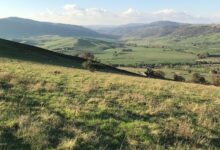
The Snowy Valleys is one of those regions in New South Wales that asks a little more of you before you arrive. It is not a city break where you can wing it with carry-on and a credit card. You are crossing the Great Dividing Range, dropping in and out of mountain weather, threading through farmland, alpine pubs and quiet river towns where the nearest 24-hour service station is sometimes an hour away. Get the prep right and the region opens up beautifully. Skip it and you will spend Saturday morning in Tumut looking for somewhere that sells walking socks at 9am.

This is the prep guide we wish someone had handed us before our first trip down here. Pack, plan and read it before you turn off the Hume.

Pick your season first, then pick your towns

Most travel guides start with the destination. Down here we start with the season, because the Snowy Valleys are genuinely four different regions across the year.

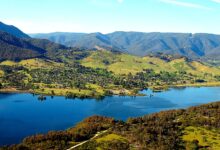
  • Summer (Dec–Feb): Blowering Dam, Talbingo Reservoir, the Murray River at Khancoban — water everywhere, long evenings, fishing competitions and small-town Christmas events. Bring sun gear and reef shoes for the rocky river entries.
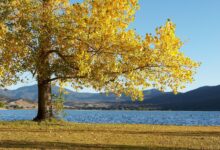
  • Autumn (Mar–May): The Batlow apple harvest, Tumbarumba vineyards in full colour, Ciderfest in May. This is our favourite shoulder season for photography and weekend escapes.
  • Winter (Jun–Aug): Snow at Selwyn and Cabramurra, but also frozen mornings in Adelong and Tumut. Wood smoke, pub fires, snow chains. Roads can close at short notice.
  • Spring (Sep–Nov): Trout opening on the rivers, wildflowers in Bago State Forest, school-holiday crowds at the Rail Trail.

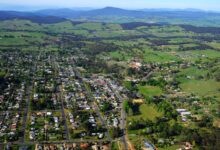
Pick your season and the towns sort themselves out. A summer trip naturally pulls you toward Talbingo, Tumut and Adelong. A winter trip leans Tumbarumba, Cabramurra and Khancoban. Our full towns guide breaks down what each one is best at.

Plan your driving distances honestly

Sydney to Tumut is about a five-hour drive via Yass and Gundagai. Melbourne to Tumbarumba is about five and a half hours up the Hume. Canberra is the easy approach at two and a quarter hours. That gets you to the doorstep. What catches people out is the driving inside the region.

Tumut to Cabramurra is 65km, but it is a slow alpine drive — allow 90 minutes and add another 30 in winter. Tumbarumba to Khancoban via the Tumbarumba–Rosewood Rail Trail head is short on the map but you will stop a lot. The Snowy Valleys Way (the touring route from Wagga through to the Snowy Mountains) is around 250km but takes a full unhurried day to enjoy. Budget two driving hours a day inside the region if you want time to actually stop and look.

Pack for two climates in one suitcase

This is the bit we see new visitors get wrong every single weekend. Even in summer, evenings in the higher towns drop sharply. In winter, you can leave a frosted Tumbarumba car park and reach a warm 18°C Wagga lunch in 90 minutes. We pack in layers, every single trip:

  • A proper waterproof shell, not a “water resistant” puffer.
  • One warm mid-layer regardless of season — fleece or merino.
  • Sturdy walking shoes if you intend to step onto the Rail Trail, the Hume and Hovell Track, or any of the Kosciuszko National Park entry points.
  • A hat for sun and a beanie for evening, in the same bag.
  • Bathers — even in winter. There are thermal pools at Yarrangobilly that run a steady 27°C year round.

Phone signal, fuel and cash

Telstra has the best regional coverage by a long way. Optus is patchy past Tumbarumba. Vodafone will work in the main towns but expect dead zones on Snowy Valleys Way and inside Kosciuszko National Park. Download offline maps before you leave the Hume. We use the NPWS National Parks app for trail offline maps, and the Bureau of Meteorology warnings page bookmarked for storm and snow alerts.

Fuel up in Tumut or Tumbarumba before heading into the alpine country. There is a single bowser in Cabramurra (Australia’s highest town) but it is not always staffed late. Adelong and Batlow both have service stations on the main street.

Carry $50–100 in cash. A handful of our favourite stalls at the Tumbarumba Producers Market, plus some of the smaller cellar doors and roadside cherry sheds, are still cash only or have flaky EFTPOS.

Book accommodation earlier than you think

The Snowy Valleys does not have hotel towers. It has pubs, cottages, caravan parks, farm stays and a handful of boutique stays. That means inventory is genuinely limited, and during snow season, Ciderfest weekend or the Easter long weekend, the whole region books out a month or more ahead.

If you are coming in winter and want to base in Tumbarumba, lock it in by April. Tumut has more capacity but Easter still fills it. We have a town-by-town stay rundown across our town pages with the local pubs, caravan parks and cabins listed for each.

Build a soft itinerary, not a tight one

Our biggest piece of advice: do not over-book. Half the magic of this region is pulling over for a roadside cherry stand, finding a producer who invites you back behind their counter, or losing two hours at the Adelong Falls ruins because the light was good. We aim for two anchor activities a day and let everything else breathe.

A first-time three-day shape that works:

  1. Day one — Tumut. Wander the main street, Pioneer Park, an afternoon at Blowering Dam.
  2. Day two — Tumbarumba and Batlow. Morning at the Tumbarumba–Rosewood Rail Trail, lunch at a cellar door, afternoon detour to Batlow for cider.
  3. Day three — alpine drive. Cabramurra, Selwyn (winter) or Yarrangobilly Caves (any season), back through Talbingo.

Our full things to do list has more if you have a longer stay.

One last thing — drive slowly, and stop often

The Snowy Valleys reward unhurried travellers. Kangaroos at dusk, frost on the Adelong road, sheep on the verge near Khancoban — none of it works at 110km/h. Slow down, leave a little earlier than you planned, and bring a thermos. We have never regretted a Snowy Valleys trip that was a little too relaxed. The ones we wish we had back are the ones we tried to cram in.

If you are still working out where to start, our “where is the Snowy Valleys” primer is the easiest starting point, and the town guides will fill in the rest.

Pack thoughtfully. Drive easy. See you down here.

Back to top button