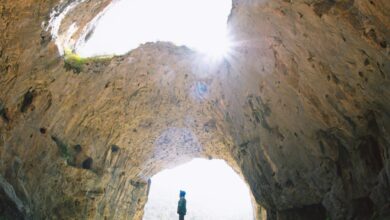
Sustainable Travel in the Snowy Valleys
Sustainable Travel in the Snowy Valleys
By Hannah — our planner-in-residence, currently based out of Tumut.
The Snowy Valleys is one of the regions where “sustainable travel” actually means something. We are talking about a corner of New South Wales where the rivers we swim in feed Sydney’s water supply, where the apple orchards of Batlow were singed by the 2019–20 bushfires and have been rebuilt by the same families that planted them eighty years ago, and where Kosciuszko National Park sits right on the doorstep. Travel here is not just a getaway, it is a small economic vote for towns that are quietly putting themselves back together.
This is our short, practical guide to travelling the Snowy Valleys lightly — keeping your footprint down, your spend local, and your time here as good as it can be.
Why this region rewards low-impact travel
Three things make the Snowy Valleys a natural fit for sustainable travel.
- It is a working landscape. Cattle, sheep, orchards, vineyards, native forestry and Kosciuszko National Park share the same ridgelines. What you spend at the farm gate stays in the farm gate.
- It is a recovering landscape. The Black Summer fires hit Batlow, Adelong and the alpine country hard. Tourism dollars are a direct part of the rebuild for many of the families now running cellar doors, orchards and farm stays.
- It is a small-business landscape. There are almost no national chains down here. Choosing the local pub, the local bakery and the local guide is not an aspirational choice — it is the default.
Travel slow, stay longer in fewer places
The single biggest sustainability lever for a Snowy Valleys trip is how many towns you base in. Three nights in Tumut and three in Tumbarumba is dramatically lower-impact than a different bed each night. You drive less, you waste less food, you actually get to know one bakery and one publican, and you end up tipping properly because you saw them every morning.
If you are working out where to base, our town guides walk through what each one is best at. A common shape is two longer stops — one in the Tumut Region for rivers, hiking and the Snowy Mountains drive, one in Tumbarumba for the Rail Trail, food and wine.
Eat what is grown here
The Snowy Valleys food bowl is genuinely productive. Batlow apples are the obvious one, but the region also grows stone fruit, berries, beef, lamb, trout and a serious quantity of cool-climate wine grapes. The lowest-footprint meals you will eat here are the ones where the menu names the farm.
A few easy wins for travellers:
- Stop at roadside cherry and apple sheds in season — Batlow and Adelong both have them.
- Time a Saturday morning around the Tumbarumba Producers Market (monthly, second Saturday). Coffee, vegetables, cheese, wine, all from inside the region.
- At pub dinners, order whatever the chalkboard says is local. Most kitchens here use the same handful of nearby growers.
- Pack a chilled cooler bag in the boot. We always leave with five litres of apple juice and a fortnight of cheese.
The things to do page has more food trail ideas if you are building a weekend around eating.
Move by bike or foot where you can
The standout zero-emission experience down here is the Tumbarumba to Rosewood Rail Trail — a sealed, gentle 21km former rail line that connects two small towns through farmland and forest. You can ride one way, eat lunch, ride back, and not start a car all day. E-bike hire is available at both ends so it is achievable for a wider range of fitness than people assume.
Other low-impact moves:
- Walk Tumut River Walk in the centre of town instead of driving between cafes.
- Take the short Adelong Falls heritage walk from the car park — under an hour, big payoff.
- For longer days, the Hume and Hovell Track threads through the region with overnight camping options.
Stay with operators doing the right thing
You can ask, and most hosts down here will tell you happily — what their solar setup is, where their hot water comes from, what they do with grey water on the farm stays. We are not in a region where this question feels rude. It tends to start the best conversations of the trip.
Things worth asking about when you book:
- Solar and battery setup (very common on the rural stays).
- Tank water vs town water, and whether the property has rainwater for non-potable use.
- Native garden and wildlife habitat on the property.
- Whether the operator is part of the local tourism cooperative and uses regional suppliers.
We keep a running shortlist of locally-run cabins, pubs and farm stays inside each of our town pages.
Respect the parks like the locals do
Kosciuszko National Park and the surrounding state forests are the big drawcard for a lot of visitors. They are also fragile alpine ecosystems where casual mistakes have lasting consequences. The rules locals follow without thinking:
- Stay on tracks. The high-altitude bogs and herbfields take decades to recover from a single boot off-trail.
- Carry out everything. There are no bins inside the park boundary at most trailheads.
- No campfires above the snow gum line. Use a fuel stove.
- Keep distance from wildlife. Brumbies, kangaroos and wombats are common — they do not need a selfie.
- Check fire ratings every morning in summer. The NSW Rural Fire Service publishes the daily rating for the Riverina district.
If you are heading to Yarrangobilly Caves or Selwyn, the National Parks and Wildlife Service site has the current track and road status — worth a check the night before, especially in winter.
Buy from real local makers, not gift-shop reproductions
The Snowy Valleys has a genuine community of makers — woodworkers in Tumbarumba, leather and saddlery in Adelong, ceramicists in Tumut, distillers and brewers in Batlow. The easiest test for whether a product is actually local is who the person behind the counter is. Most makers will tell you their workshop is ten minutes away.
A few starting points if you want to take something home:
- Tumbarumba: cool-climate wine, single-bottle purchases direct from cellar doors.
- Batlow: apple cider, fresh fruit, jams from the orchard families.
- Tumut: woodwork, ceramics, books — the main-street co-ops rotate seasonal makers.
- Adelong: the goldfields heritage, leather goods, candles.
Carry less, leave more
The truest summary of sustainable travel in the Snowy Valleys: carry less, leave more. Bring a refillable water bottle (the tap water in Tumut is excellent), a reusable coffee cup that the cafes here actually use, and a cloth bag for the farm gate stops. Leave behind your time, your spend and your good word.
That is genuinely how a lot of these small towns measure how a season went. Whether the same families came back the next year. Whether someone told their friends. Whether the pub had a quiet Sunday lunch full of returning regulars.
Travel here lightly enough and you become one of them. Have a look at where the region sits if you have not been before, and start with a long weekend.